On this page Overview Runtime Architecture Rendering Shader Development Scenes and Assets Terrain and Large Worlds Physics and Simulation Development Tools Distribution Technical Documentation Tempest Engine Architecture and subsystem overview for Tempest Engine, a native C/C++ game engine with Vulkan rendering and integrated development tools.
Language C / C++20
Graphics Vulkan
Physics Jolt
Shader Languages GLSL / HLSL / Slang
Documentation Status This is an overview of the engine architecture. Detailed API documentation and public setup instructions are not yet available.
01 Runtime Architecture Tempest uses a custom native runtime written primarily in C and C++. The engine architecture emphasizes explicit data representation, resource ownership and execution flow.
Entity Representation Entities and components represent objects and their runtime state. The engine maintains its own entity system.
Memory Arena and frame-based allocation distinguish persistent data from temporary working memory.
Execution Engine workloads use task-based parallel execution where work can be distributed across CPU cores.
Platform Integration The platform layer handles application lifecycle, windows, input and operating-system services.
02 Rendering The graphics system is built around Vulkan. It manages GPU resources, rendering passes, lighting and image processing.
Graphics API Vulkan provides explicit command recording, resource management and synchronization.
Materials and Lighting Physically based materials use metallic-roughness parameters and environment lighting.
Deferred Rendering Geometry buffers store surface data used during deferred lighting.
Resource Binding Bindless resource access uses descriptor indexing to reference GPU resources.
Global Illumination The renderer contains indirect illumination systems, including radiance caching and probe-based lighting.
Image Processing HDR rendering, exposure, tone mapping and temporal anti-aliasing are part of the rendering pipeline.
03 Shader Development The shader toolchain supports GLSL, HLSL and Slang. Shader compilation is integrated into the development workflow.
GLSL GLSL shaders are compiled for the Vulkan runtime.
HLSL HLSL is used for graphics and compute shader development.
Slang Slang provides an additional shader compilation and module development workflow.
Hot Reload Changed shader programs can be recompiled and updated during development.
04 Scenes and Assets Scenes, entity data and imported assets are managed through the engine editor and asset pipeline.
Scene Data Serialized scene data contains entities and their authored properties.
Prefabs Prefabs provide reusable object configurations for scene composition.
Asset Pipeline The asset system manages imported meshes, textures, materials and other runtime resources.
Editor Entity properties, scene composition and assets can be inspected through development tools.
05 Terrain and Large Worlds The engine includes terrain rendering and world-space systems for large environments.
CBT Terrain Concurrent binary tree terrain representation supports adaptive mesh triangulation.
Terrain Rendering Terrain geometry and materials are integrated with the Vulkan rendering pipeline.
Terrain Modification Runtime terrain operations allow changes to the world surface.
World Coordinates Large-world systems manage spatial representation for expansive scenes.
06 Physics and Simulation Jolt Physics is integrated with the engine runtime and gameplay systems.
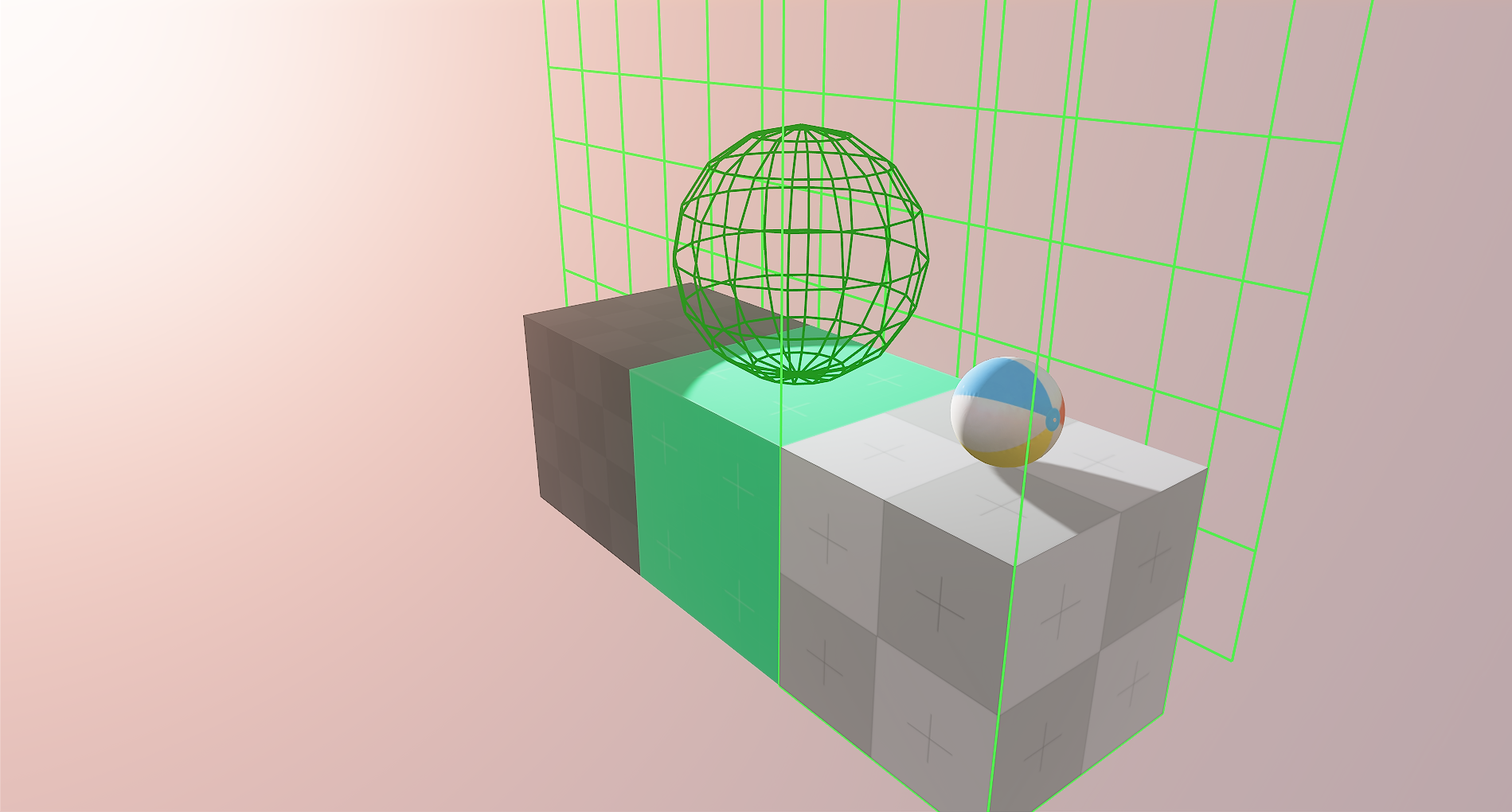
Rigid Bodies Dynamic and static collision bodies participate in physics simulation.
Collision Queries Raycasts and shape queries provide information about the physics world.
Character Movement Character movement integrates with world geometry and collision detection.
Vehicle Simulation Vehicle physics includes wheel contacts, suspension and interaction with terrain.
08 Distribution Tempest Engine remains under active development. Public engine binaries and source distributions are not available.
Current Status No public release date has been announced.
Target Platforms The project lists Windows, Linux, Android and iOS as target platforms. These are not a list of currently available public builds.
Documentation Status This documentation is an architectural overview. It is not a complete API reference or installation guide.
Additional Information
Engine and Release Information